
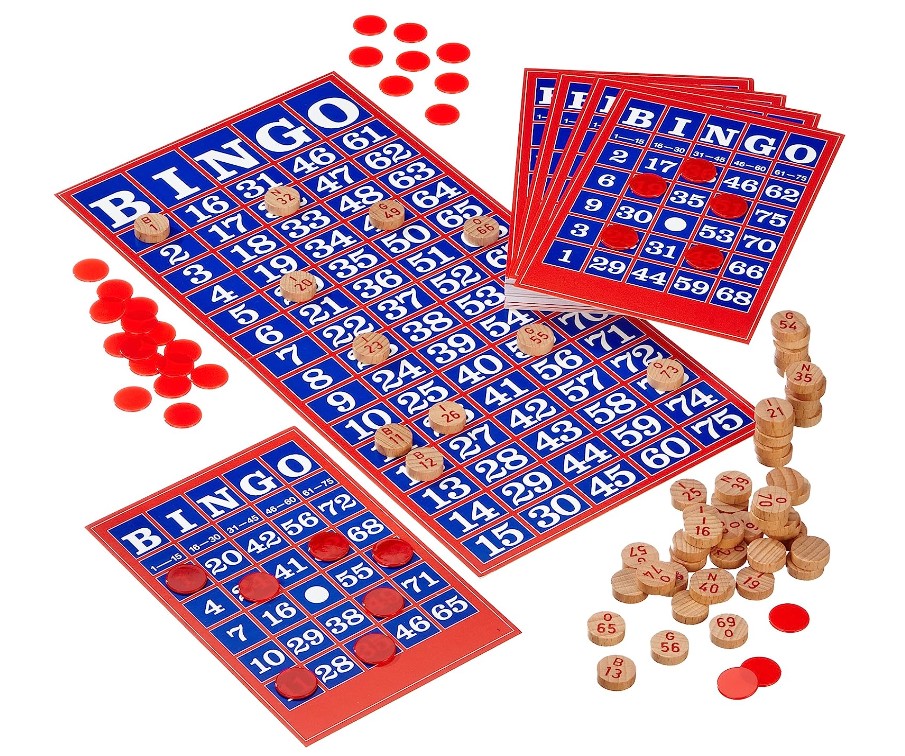
Bingo is one of the most popular social games worldwide, blending chance, excitement, and community engagement. Known for its simple rules and ability to bring people together, this game has evolved from traditional halls into modern variations found both online and in local events. Understanding its history, gameplay, variations, and cultural impact can give you a fresh appreciation of why bingo continues to thrive.
The Origins of Bingo
The history of bingo dates back centuries. The earliest version appeared in Italy during the 16th century as a lottery-style game. It spread across Europe, gaining popularity in France and Germany before making its way to the United States. By the early 20th century, the game had adopted the familiar 5×5 grid format that most people recognize today. Community centers, churches, and local clubs embraced bingo as a fun way to raise funds while fostering social connections.
The Basic Rules of Bingo
Bingo is easy to learn, which explains why it appeals to a wide age range. The standard version uses a 5×5 card with numbers ranging from 1 to 75. Each column is designated by a letter: B, I, N, G, O.
-
B column: numbers 1–15
-
I column: numbers 16–30
-
N column: numbers 31–45 (with the center square often marked as a free space)
-
G column: numbers 46–60
-
O column: numbers 61–75
As numbers are randomly called, players mark their cards. The goal is to complete a predetermined pattern, such as a line, four corners, or a full card (blackout). When a player completes the pattern, they call out Bingo! to signal their win.
Popular Bingo Variations
Over the years, several versions of bingo have developed to keep the game engaging.
90-Ball Bingo
Widely played in the United Kingdom, this variation uses a 9×3 card with numbers from 1 to 90. Players can win by completing one line, two lines, or a full house.
80-Ball Bingo
Played on a 4×4 card with numbers 1 to 80, this format often includes creative patterns such as crosses, diagonals, or squares.
Speed Bingo
A faster-paced version where fewer numbers are used, designed to increase excitement and keep games short.
Theme-Based Bingo
Some communities organize bingo nights around themes like holidays, music, or TV shows, making the experience more interactive and fun.
Why People Love Bingo
Bingo is more than a game of chance; it’s an experience. People enjoy it for several reasons:
-
Social Connection: Whether in a community hall or online, bingo encourages interaction and bonding.
-
Accessibility: The rules are simple, making it easy for beginners to join without much preparation.
-
Affordability: Bingo cards are inexpensive, allowing people to play without a significant financial commitment.
-
Excitement: The anticipation as numbers are called builds suspense, creating a unique thrill when someone wins.
Bingo in Modern Times
With technological advances, bingo has adapted to digital platforms. Online bingo platforms allow players to enjoy the game from home while still interacting with others through chat rooms. Mobile apps also bring the game to people on the go. Despite these innovations, traditional bingo nights at community centers and charity events remain popular, showing the timeless appeal of the game.
Bingo as a Fundraising Tool
One of the strongest aspects of bingo is its role in fundraising. Nonprofit organizations, schools, and local groups often host bingo nights to raise money. The mix of entertainment and contribution creates a win-win situation: participants enjoy themselves while supporting a good cause.
Strategies and Tips for Playing Bingo
While bingo is largely a game of luck, some strategies can improve your overall experience.
-
Play multiple cards: Managing more cards increases your chances of hitting a winning pattern.
-
Choose less crowded games: Smaller groups mean less competition, which improves winning odds.
-
Stay focused: Missing a called number could cost you the game. Concentration is key.
-
Look for special patterns: Some games offer unique prizes for specific patterns; knowing these in advance helps you strategize.
Bingo in American Culture
In the United States, bingo holds a special place in social life. From church basements to senior centers, the game has been a staple for decades. It has appeared in movies, television shows, and even music, symbolizing relaxation, fun, and community togetherness. Many families have their own traditions of playing bingo at holidays and gatherings.
Educational and Cognitive Benefits
Beyond entertainment, bingo provides benefits that are often overlooked:
-
Cognitive Stimulation: Tracking numbers and patterns sharpens memory and concentration.
-
Math Skills: Younger players improve number recognition and counting.
-
Stress Relief: The social and lighthearted nature of the game reduces tension.
-
Inclusivity: People of all abilities and backgrounds can enjoy the game equally.
Hosting a Successful Bingo Night
If you’re planning to host a bingo night, consider these tips:
-
Choose the right venue: Ensure there is enough space and seating for participants.
-
Gather supplies: Bingo cards, daubers or markers, and a reliable number caller are essentials.
-
Set the rules: Decide on winning patterns and prize structures before the game begins.
-
Add entertainment: Light music, themed decorations, and snacks can elevate the event.
-
Encourage participation: Small prizes and interactive announcements keep energy levels high.
FAQs About Bingo
How many numbers are typically on a bingo card?
A standard bingo card contains 24 numbers plus one free space. Other variations, like 90-ball bingo, use different formats.
Is bingo just a game of luck?
Bingo is primarily based on chance, but players can use strategies like playing multiple cards or selecting smaller games to improve odds.
What makes bingo popular at senior centers?
Bingo is easy to play, promotes socialization, and provides mental stimulation, which makes it especially popular among older adults.
Can children play bingo?
Yes, children can play simplified versions of bingo that use pictures, colors, or words instead of numbers, making it both educational and fun.
How does online bingo differ from traditional bingo?
Online bingo allows players to enjoy the game from home with automated card marking and digital chat rooms, while traditional bingo emphasizes in-person social interaction.
Why is bingo often used for fundraising?
Its low cost, high entertainment value, and ability to attract large groups make bingo an ideal choice for raising funds for charities and community organizations.
