
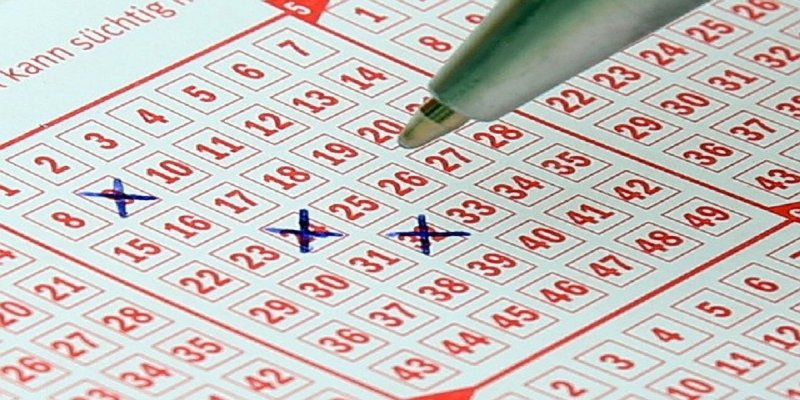
Lotteries have fascinated people for centuries as a mix of chance, hope, and life-changing possibilities. In modern times, the lottery is not only a form of entertainment but also a significant contributor to public funding, charities, and community programs. Understanding how lotteries work, their variations, and the ways people approach them can give valuable insights for anyone curious about this age-old game of chance.
What is a Lottery?
A lottery is a structured game of chance where participants purchase tickets in exchange for an opportunity to win prizes, often in the form of money, goods, or services. The outcome is entirely based on random draws, meaning everyone has an equal opportunity regardless of their background or skill.
Lotteries are typically regulated by governments to ensure fairness and transparency. In many regions, a portion of the funds raised is used for public services such as education, infrastructure, and healthcare.
The History of Lotteries
Early Beginnings
The concept of the lottery can be traced back to ancient civilizations. Records suggest that lotteries were used in China during the Han Dynasty around 200 BC to fund large projects, including parts of the Great Wall. Ancient Rome also employed lotteries for entertainment during feasts and festivals.
Renaissance and Modern Development
In Europe, the lottery gained popularity in the 15th and 16th centuries. Towns used them to raise money for defense and public projects. Over time, lotteries became an accepted practice across countries, evolving into state-run programs that combined entertainment with public good.
The American Adoption
Lotteries played a notable role in early America, funding schools, libraries, and even infrastructure. They eventually transformed into regulated systems, becoming a staple of state-sponsored gaming.
Types of Lotteries
Lotteries come in various formats, each offering unique experiences and prize structures.
Number Draw Lotteries
These are the most common. Players choose a set of numbers, and a draw determines the winning combination. Matching all or some numbers leads to prizes of varying sizes.
Scratch-Off Tickets
Scratch cards offer instant results. Players remove a protective layer to reveal symbols or numbers, with certain combinations unlocking prizes. Their immediacy makes them very popular.
Daily Lotteries
These games run daily, often with smaller jackpots but higher chances of winning compared to weekly or monthly lotteries.
Multi-State and National Lotteries
These involve larger pools of players and often offer enormous jackpots. Their scale allows for prizes that can reach hundreds of millions.
Raffles
Instead of choosing numbers, participants receive a ticket with a pre-assigned number. Winning depends on a random selection from these fixed entries.
How Lotteries Work
At the heart of the lottery is randomness. Here’s the typical process:
-
Ticket Purchase: Participants buy tickets, either physical or digital.
-
Prize Pool: Funds from ticket sales contribute to the prize money, administrative costs, and public programs.
-
Random Draw: A drawing machine or software ensures an unbiased selection.
-
Distribution: Winners claim prizes within a set period, usually requiring proof of purchase and identification.
Why People Play the Lottery
Lotteries appeal to people for various reasons beyond just the chance to win money.
-
Hope and Dreams: Tickets often symbolize an affordable chance at transforming one’s life.
-
Entertainment: The suspense of a draw adds excitement.
-
Supporting Causes: Many play knowing proceeds help fund schools, hospitals, or social projects.
Strategies People Use
Although the lottery is based on luck, people often adopt personal strategies to guide their participation.
Number Selection Habits
Some players choose birthdays, anniversaries, or lucky numbers, while others rely on random number generators. While statistically each number has an equal chance, these choices personalize the experience.
Group Play or Syndicates
Pooling money with friends, family, or coworkers allows for more tickets and higher chances of winning. Though the prize must be shared, the odds improve significantly.
Budget Discipline
Experienced players often set strict budgets to avoid overspending. Treating lottery tickets as entertainment rather than an investment helps maintain healthy financial balance.
Tracking Frequency
Some players analyze number frequency charts, believing certain numbers may be “due.” While this has no proven impact, it is a common practice.
The Social and Economic Impact
Lotteries generate billions in revenue worldwide. Governments use proceeds for education, public health, and community projects. However, critics point out that lotteries disproportionately attract low-income players, raising concerns about fairness and accessibility.
Despite debates, lotteries remain a major funding source for public welfare. For many communities, they have built schools, funded scholarships, and even supported environmental programs.
Lottery Myths and Facts
-
Myth: Certain numbers are luckier.
Fact: All numbers have equal probability in a fair draw. -
Myth: Past draws influence future results.
Fact: Each draw is independent and unaffected by previous ones. -
Myth: Big winners always live happily ever after.
Fact: Many winners struggle with sudden wealth, highlighting the need for financial planning.
Responsible Lottery Participation
Playing responsibly ensures that the lottery remains fun and doesn’t become harmful. Here are important guidelines:
-
Set a spending limit and stick to it.
-
Treat lottery play as entertainment, not as a source of income.
-
Avoid chasing losses.
-
Seek financial advice if winning large amounts.
Real-Life Stories of Lottery Winners
Some stories illustrate both the joys and challenges of winning:
-
Life-Changing Wins: Ordinary individuals have turned small purchases into fortunes, allowing them to retire, travel, or support family.
-
Cautionary Tales: Others have faced difficulties, from mismanagement of funds to strained relationships. These cases highlight the importance of planning after a win.
Future of Lotteries
With technology, lotteries are evolving. Online platforms, mobile apps, and digital payments have made participation easier. Innovations like blockchain-based lotteries may offer even greater transparency. Future lotteries may also focus more on entertainment, combining digital games with traditional draws.
FAQ Section
What are the odds of winning a lottery jackpot?
Odds vary by game. Large multi-state lotteries can have odds of 1 in hundreds of millions, while smaller local lotteries offer much better chances.
Can lottery winners stay anonymous?
This depends on state or country laws. Some regions require public disclosure, while others allow anonymity to protect winners.
What happens if a winning ticket is lost?
Without proof of purchase, claiming a prize is nearly impossible. Players are encouraged to sign tickets immediately to secure ownership.
Are lottery winnings taxable?
Yes, in most countries lottery winnings are considered taxable income. Tax rates vary depending on jurisdiction.
Do lottery proceeds really help the community?
Yes, many lotteries fund public education, healthcare, and community programs. The percentage allocated varies by region.
Is it possible to improve odds of winning?
No strategy guarantees a win, but joining a group play or syndicate increases chances by allowing more entries.
