
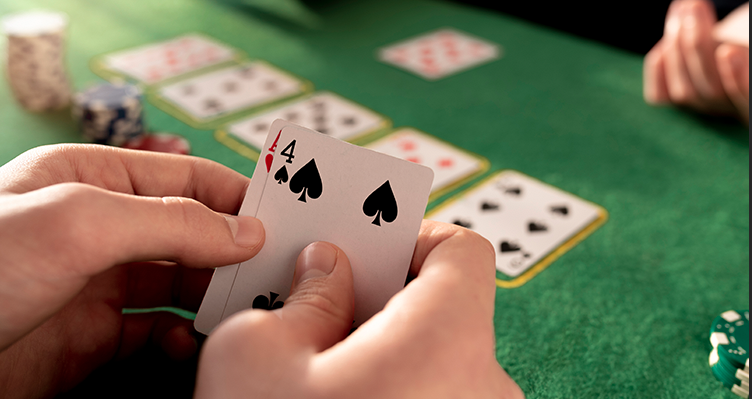
Poker is more than just a card game; it is a blend of skill, psychology, probability, and strategy. Whether you are playing casually with friends or at a professional table, understanding the layers of this game can transform your experience. Poker has captivated players worldwide because it challenges both mental sharpness and emotional control. To truly excel, one must balance technical skills with a disciplined mindset.
Understanding the Basics of Poker
Poker is typically played with a standard 52-card deck. The objective is to build the best possible five-card hand or to strategically convince opponents to fold before a showdown. Most variations, including Texas Hold’em and Omaha, revolve around betting rounds, community cards, and position-based strategy.
Hand Rankings in Poker
Every player must know hand rankings by heart, as they dictate who wins the pot:
-
Royal Flush: A, K, Q, J, 10 of the same suit
-
Straight Flush: Five consecutive cards of the same suit
-
Four of a Kind: Four cards of the same rank
-
Full House: Three of a kind plus a pair
-
Flush: Five cards of the same suit, not consecutive
-
Straight: Five consecutive cards of mixed suits
-
Three of a Kind: Three cards of the same rank
-
Two Pair: Two different pairs
-
One Pair: Two cards of the same rank
-
High Card: None of the above, highest card wins
The Role of Position in Poker
Position is one of the most critical factors in poker strategy. Acting later in a betting round provides an advantage, as you see how opponents play before making decisions. Being on the button (dealer position) is particularly powerful because you act last in every post-flop round. Early positions require tighter play, while late positions allow for more flexibility and aggression.
Poker Betting Rounds Explained
Most poker games consist of four betting rounds:
-
Pre-Flop: After blinds are posted and hole cards are dealt.
-
Flop: The first three community cards are revealed.
-
Turn: A fourth community card is dealt.
-
River: The fifth and final community card is shown.
During each round, players can check, bet, raise, call, or fold. Understanding betting patterns can help you identify strong and weak hands.
Bluffing and Psychological Play
Bluffing is an iconic element of poker. The key is not to bluff recklessly but to choose situations where your story makes sense. For example:
-
Bluff when community cards strongly suggest you could hold a powerful hand.
-
Semi-bluff with a drawing hand that can improve if called.
-
Avoid overusing bluffs, as observant opponents will catch on.
Psychological strength also matters. Reading body language, spotting hesitation, or identifying betting inconsistencies can give you an edge.
Bankroll Management for Poker Players
Even the best poker players can go through losing streaks. Bankroll management prevents financial ruin and ensures long-term playability. A general rule is to only risk 1–2% of your total bankroll in a single session. This keeps variance from wiping out your funds too quickly and gives you more opportunities to capitalize on profitable spots.
Advanced Poker Strategies
To elevate your poker skills, consider integrating advanced techniques:
-
Range Analysis: Instead of guessing a single hand, think in terms of possible ranges your opponent could have.
-
Pot Odds and Equity: Compare the size of the pot with the cost of a call to decide if continuing is profitable.
-
Value Betting: Extract maximum chips from weaker hands by betting strategically when you have the best hand.
-
Table Image: Your playing style affects how others respond. A tight player’s raise may get more respect than a loose player’s.
Online and Live Poker Differences
While the fundamentals are the same, online and live poker offer different dynamics:
-
Online Poker: Faster pace, more hands per hour, and reliance on statistics and HUD tools.
-
Live Poker: Slower pace, ability to observe physical tells, and a stronger social element.
Understanding these differences helps you adapt strategies accordingly.
Developing a Winning Poker Mindset
Success in poker depends not only on skill but also on emotional control. Tilt, the frustration caused by bad beats or losing streaks, can ruin decision-making. Building mental resilience allows you to stay disciplined and avoid reckless plays. Treat each session as part of a long-term strategy, not a short-term gamble.
Poker Etiquette and Table Manners
Good poker etiquette ensures a respectful and enjoyable game:
-
Act in turn and avoid slow rolling.
-
Don’t discuss folded hands during play.
-
Respect dealers and other players.
-
Manage your chips clearly to prevent confusion.
Following these unwritten rules makes the game smoother and more professional.
The Global Popularity of Poker
Poker’s appeal spans cultures and continents. From casual home games to high-stakes tournaments, it has built a reputation as both entertainment and competition. Television broadcasts and online platforms have only increased its reach, making poker one of the most recognized card games worldwide.
FAQs About Poker
What is the best way for beginners to learn poker?
Start by playing low-stakes games with friends or online free tables. Focus on learning hand rankings, betting rounds, and position rather than rushing into complex strategies.
How important is bluffing in poker?
Bluffing is important, but it should not be the foundation of your strategy. Strong poker relies on solid fundamentals, with well-timed bluffs as a tool to keep opponents guessing.
Can you make a living playing poker?
Yes, but it requires exceptional skill, discipline, and bankroll management. Only a small percentage of players can consistently earn a living, and it takes years of practice.
What is tilt in poker, and how can I avoid it?
Tilt is emotional frustration that leads to poor decision-making. To avoid it, set limits, take breaks when needed, and focus on making correct decisions rather than immediate results.
Is online poker harder than live poker?
Online poker is often considered tougher because of the higher volume of hands and faster pace. Live poker provides more social interaction but requires reading people rather than data.
What’s the most common mistake new poker players make?
Beginners often play too many hands or chase losses. Successful players are selective, patient, and disciplined, knowing when to fold and when to apply pressure.
