
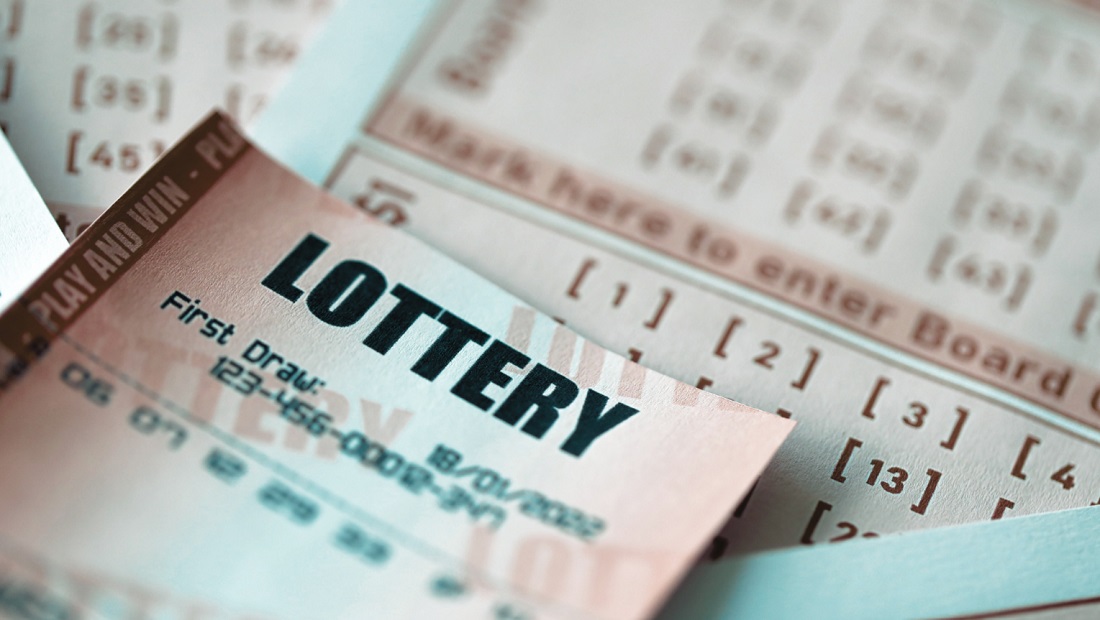
Winning the lottery is a dream many people share—but scammers know this too. Every year, thousands fall victim to lottery scams that promise life-changing prizes but deliver financial loss and emotional stress. These scams are carefully designed to look legitimate, making them hard to spot if you’re not informed.
This article breaks down the most common lottery scams you should avoid, how they operate, and the warning signs that can protect you.
What Is a Lottery Scam?
A lottery scam is a type of fraud where criminals falsely claim you’ve won a prize from a lottery or sweepstakes you never entered. The goal is to trick you into paying fees, sharing personal details, or sending money before the “winnings” are released—which never happens.
Common Lottery Scams You Should Avoid
Fake International Lottery Winnings
Scammers often claim you’ve won a large prize from a foreign lottery you’ve never played.
Red flags include:
-
Claims of winning overseas lotteries
-
Requests for taxes or processing fees upfront
-
Poor grammar or oddly formal language
Legitimate lotteries do not notify winners randomly or ask for advance payments.
Email Lottery Notification Scams
These scams arrive as official-looking emails claiming you’ve won millions.
Typical characteristics:
-
Spoofed logos and fake signatures
-
Attachments or links asking you to “verify” your identity
-
Urgent language pushing quick action
Clicking links may also expose you to malware or identity theft.
Text Message Lottery Scams
Short messages claiming you’ve won a prize are increasingly common.
Watch out for:
-
Unknown numbers announcing instant winnings
-
Links shortened to hide malicious websites
-
Requests to reply “YES” to claim prizes
Reputable lottery organizations do not contact winners via unsolicited texts.
Social Media Lottery Scams
Fake giveaways on social platforms often impersonate well-known brands or public figures.
Common tactics:
-
Fake verification badges
-
Requests to pay a “delivery” or “release” fee
-
Messages sent privately after public comments
Real contests publish winners publicly and never ask for payment.
Fake Lottery Agent or Lawyer Scams
In this scam, someone pretends to be a lawyer or agent handling your winnings.
Warning signs:
-
Claims of confidentiality to isolate you
-
Demands for wire transfers or gift cards
-
Refusal to provide verifiable credentials
Professional representatives never pressure winners or hide information.
Charity-Based Lottery Scams
These scams claim part of your winnings must be donated to a charity before release.
Key indicators:
-
Emotional manipulation using “good causes”
-
Requests for immediate donations
-
Vague or unverifiable charity details
Charitable donations are always optional and never required to access winnings.
How to Protect Yourself From Lottery Scams
Staying safe doesn’t require expert knowledge—just awareness.
Follow these best practices:
-
Never pay fees to receive a prize
-
Don’t share personal or banking details
-
Verify claims through official lottery websites
-
Ignore messages about lotteries you never entered
-
Trust your instincts—if it sounds too good to be true, it is
What To Do If You’ve Been Targeted
If you suspect a scam:
-
Stop all communication immediately
-
Do not send money or documents
-
Report the scam to relevant consumer protection authorities
-
Monitor your financial accounts for suspicious activity
Early action can limit damage and help prevent others from being targeted.
FAQ
How do scammers know my contact details?
Scammers buy or steal data from online leaks, public profiles, or marketing lists.
Can a real lottery ever contact me first?
Only if you’ve entered and followed official rules—and never asking for payment.
Are lottery scams illegal?
Yes, they are criminal fraud and punishable under law in many countries.
Why do scammers ask for gift cards or wire transfers?
These payment methods are hard to trace and nearly impossible to recover.
Can I recover money lost to a lottery scam?
Recovery is difficult, but reporting quickly improves your chances.
Are online lotteries always scams?
No, but only government-regulated or officially licensed platforms are legitimate.
How can seniors avoid lottery scams?
Education, skepticism, and discussing suspicious messages with trusted family members help reduce risk.
